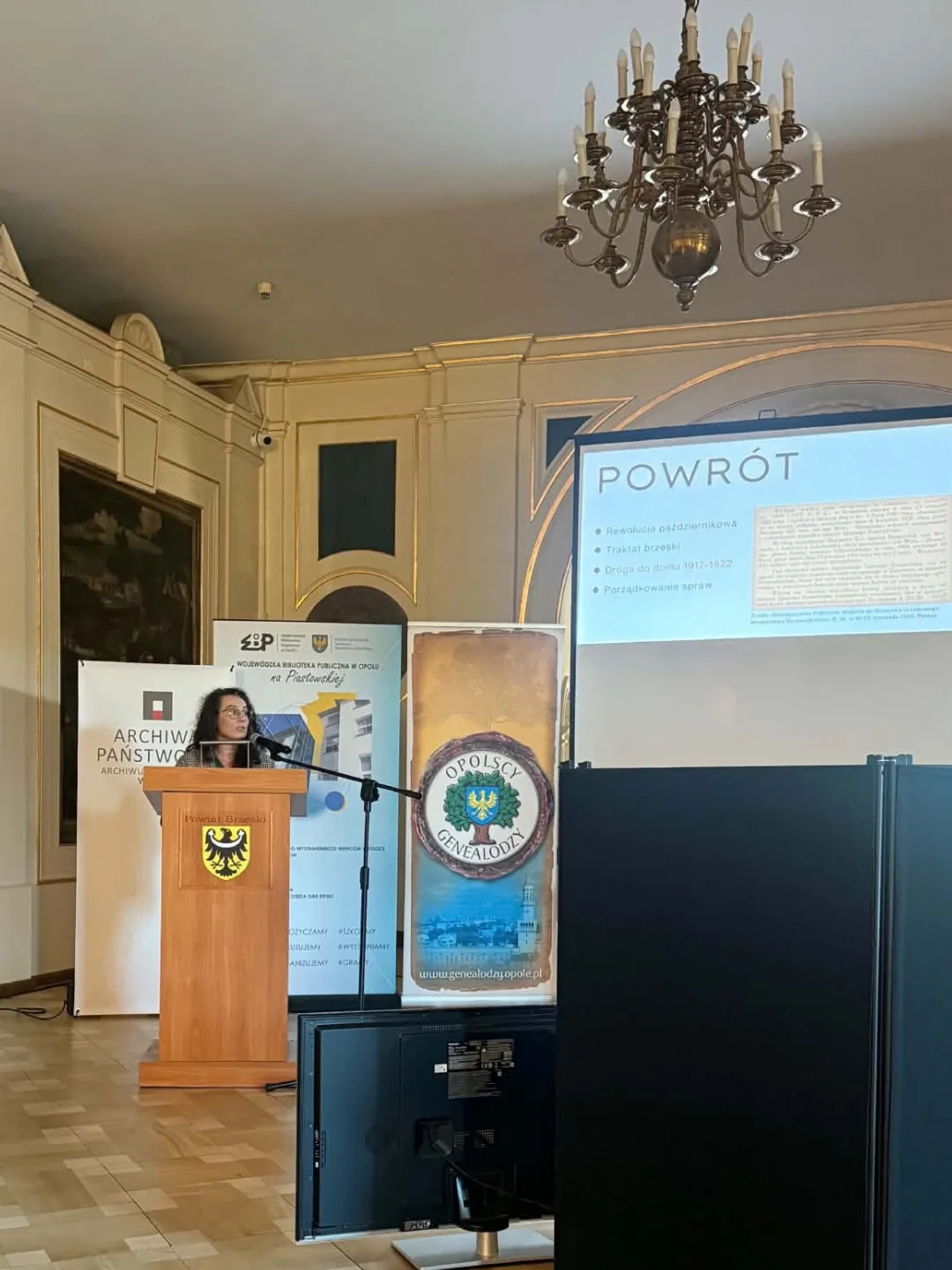
The history of my home village led me to the stage of the largest genealogy conference. I never imagined I would have such an honour.
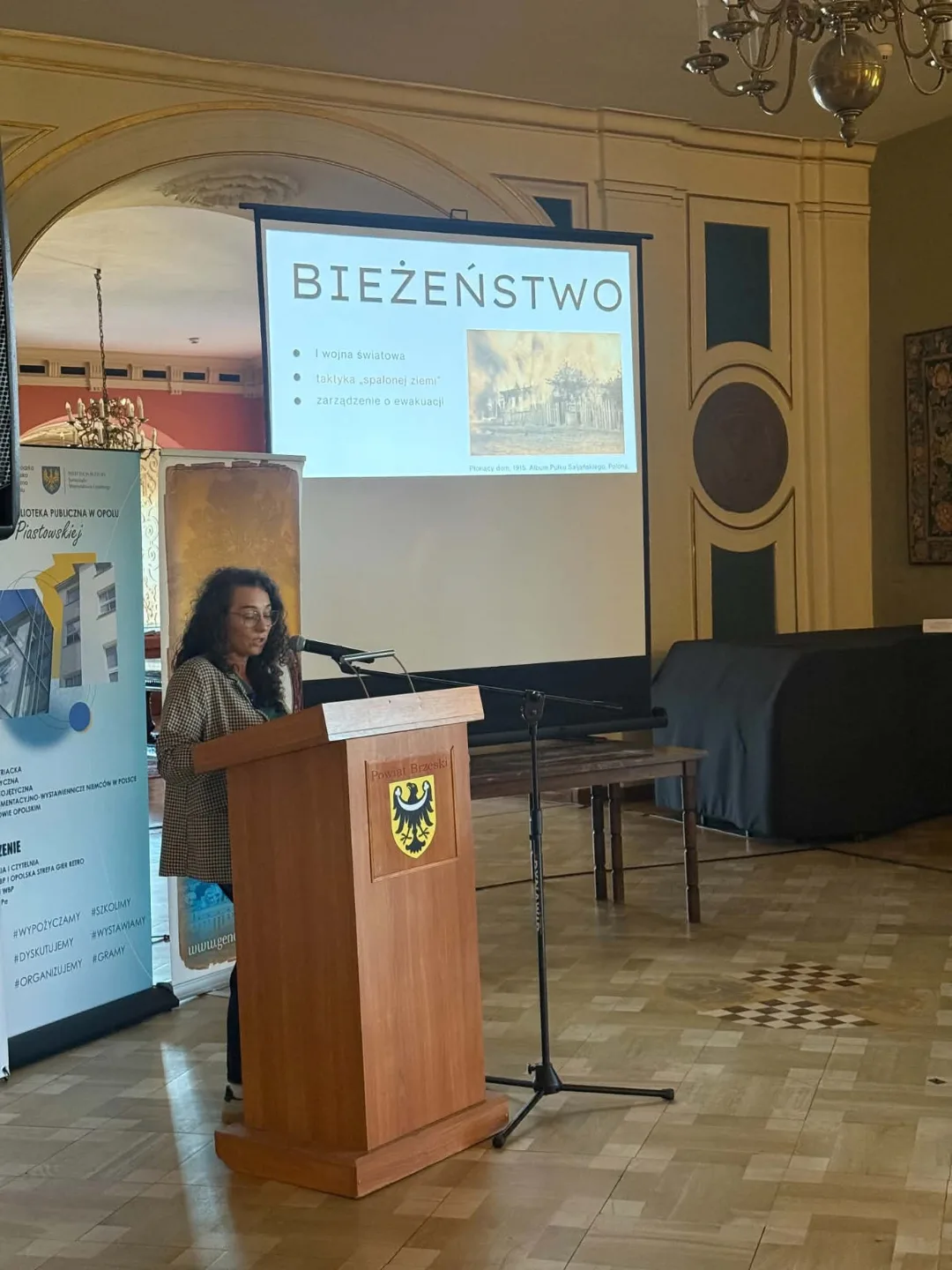
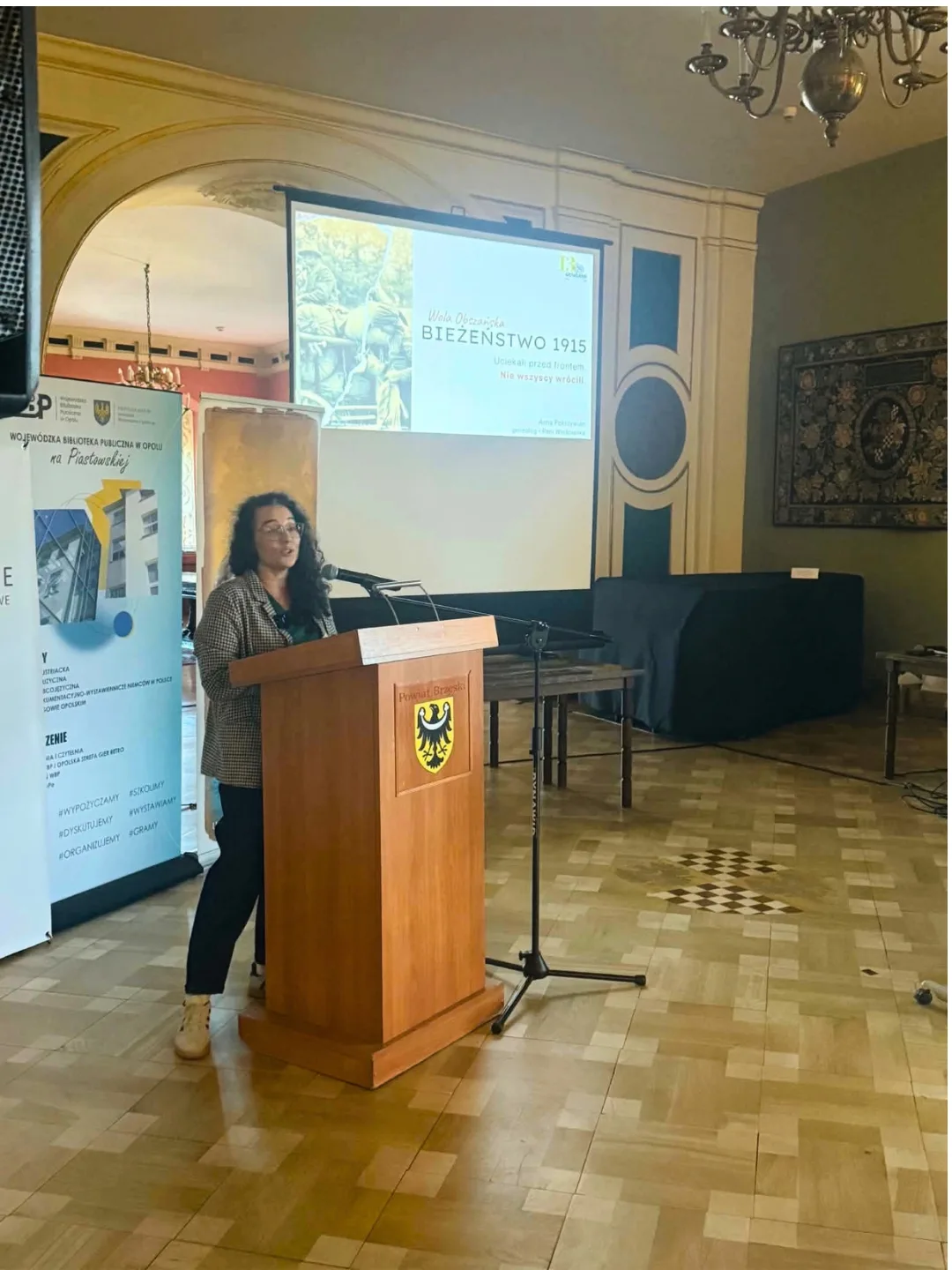
At GENEAMI in Brzeg, I had the opportunity to tell a large audience of genealogists, local history researchers and historians about the refugees from Wola Obszańska. About the people who left their homes in 1915, and the traces of their lives that I am trying to uncover more than a century later.
This history is particularly close to my heart. It concerns the place I come from and the community my family belonged to. The surnames recorded in the documents are names I have known since childhood. Yet it is only through my research that I am discovering events in these families’ lives that I previously knew nothing about.
It all began with parish records
The memory of bieżeństwo — the mass wartime exodus into the Russian Empire — had largely been lost in my family. I found the first traces in the records of Obsza parish. I began coming across entries made after the war that recorded births and deaths in distant places in Russia.
One such entry concerned Andrzej Padjasek. He was born in Russia on 10 November 1915, but was not baptised until 14 May 1922, in his parents’ home parish of Obsza. Other documents told the stories of people who never returned. Their deaths were reported years later by surviving relatives.
As I found more of these entries, I began asking questions: how many people had left my village? Where had they gone? How long had they stayed away, and what had happened to them?
54 families, 242 people — the story of one village
During my presentation, I showed how individual entries in parish registers can lead to reconstructing the history of an entire community.
According to a list I discovered, 242 people from 54 families left Wola Obszańska in 1915. That was almost a quarter of the population of a village that then had around a thousand inhabitants. This figure helped me grasp the scale of events that had left so few traces in family memory.
Their departure was part of bieżeństwo, the mass flight and forced evacuation of civilians into the interior of the Russian Empire during the First World War. I spoke about fear of the approaching front, forced displacement and the hardships of the journey. Above all, however, I wanted to show how to trace the individuals caught up in these events.
What can documents tell us about life in exile?
An important part of my talk focused on the records of the Central Citizens’ Committee of the Kingdom of Poland, an organisation that provided assistance to refugees. I presented lists of displaced people and children’s registration cards, explaining how different types of documents can complement one another.
Some lists name only the head of the family, recording the other household members as numbers. Others give the names of every family member, their age, religion, place of origin and current whereabouts. The remarks columns are particularly valuable. This is where I find information about separated families, illness, the deaths of loved ones and children in the care of relatives.
One example was the registration card of thirteen-year-old Józef Padjasek. His father was away at war, his mother was working in Prussia, and he was being looked after by his grandmother, Zofia. Józef did not know whether his parents were still alive. His handwritten signature survives at the bottom of the document.
I was also deeply moved by the cards of children who had become separated from their families during the exodus. Five-year-old Wiktoria did not know her surname or her parents’ names. Her card simply stated: “She was found.” Documents like these reveal the individual behind the figures and lists — in this case, a small child who had lost contact with her loved ones and knew almost nothing about her own origins.
Returning home was not the end of the story
I also spoke about the refugees’ return and their attempts to rebuild their lives in their home village. After years away, they had to find shelter, restore their farms and deal with official formalities. It was then that the births and deaths I now encounter in my research were entered into the local parish registers.
Some matters remained unresolved long after their return. Ignacy Rozmyślak died in 1916 in the village of Chełno-Vershiny, but his son did not report his death in Obsza parish until 1927. Three years later, Marianna Gil applied for a court declaration of his death. The parish entry alone had not been sufficient to settle the property matters.
Through examples like these, I wanted to show why genealogical research should extend beyond vital records and bring together evidence from different sources. Each additional document may reveal something the others do not.
From the conference stage to further discoveries
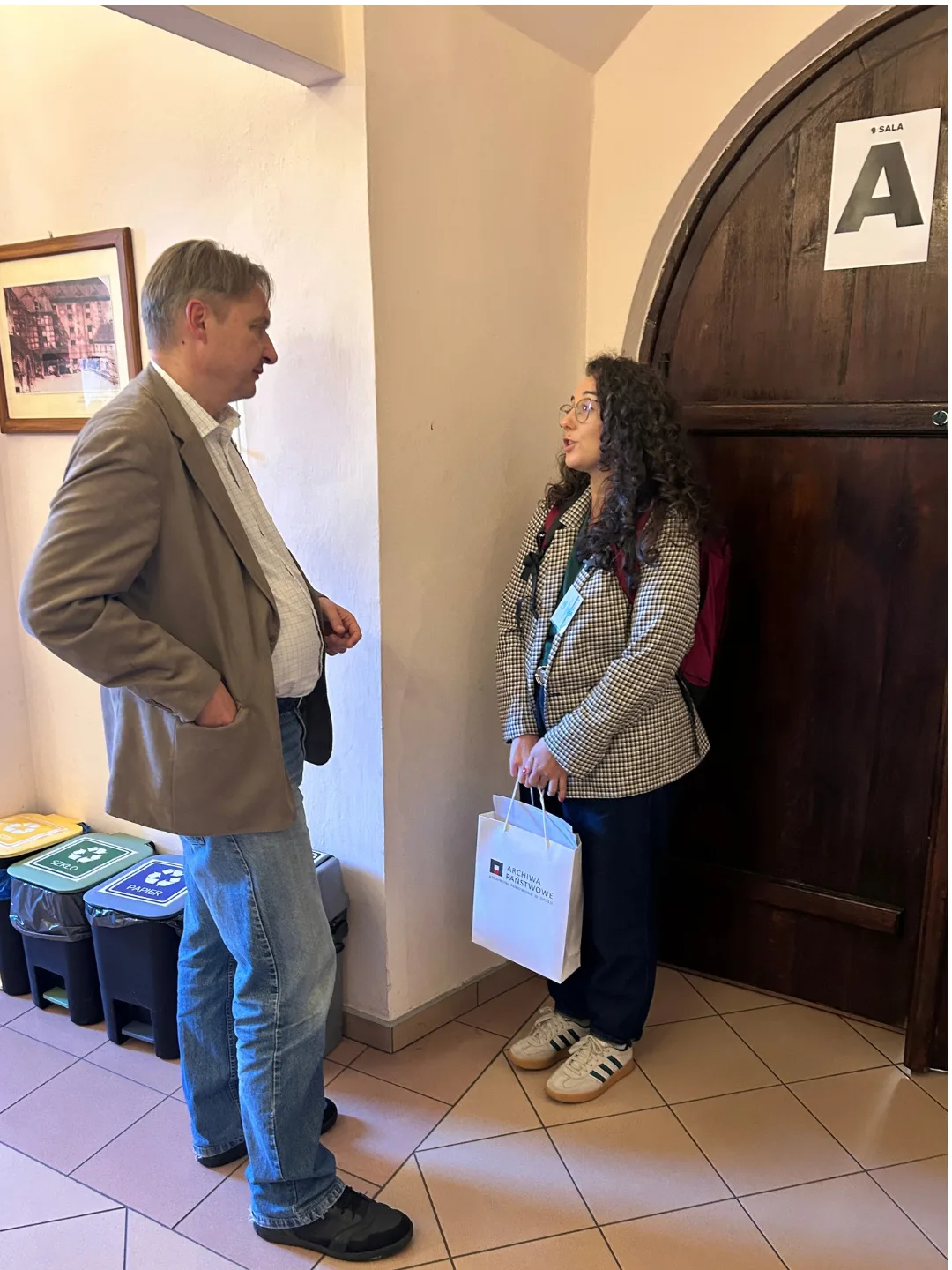
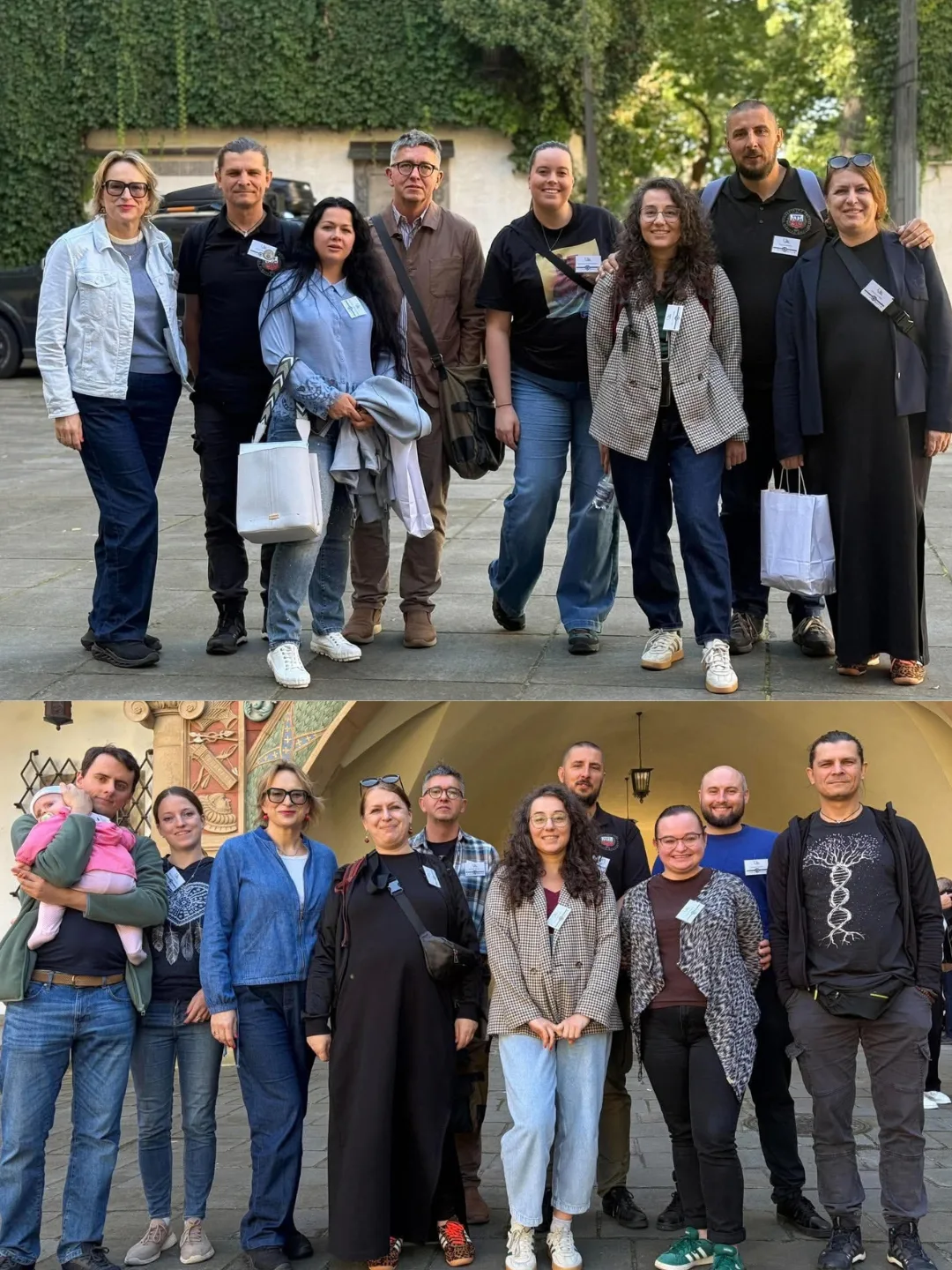
I am so pleased that I could share what I have been discovering. Speaking at the conference was a wonderful experience in itself, but I had not expected my talk to prompt so many responses. The conversations, exchanges of research experience and materials that may help with further investigations will stay with me for a long time.
Genealogical research involves many hours of working alone with documents. That makes meeting people who explore similar subjects, share their discoveries and suggest new places to look especially valuable. I returned from Brzeg with fresh leads and even more motivation to continue.
Thank you to everyone who came over, shared their story or offered another clue. My presentation marked a milestone in my research into the lives of the people of Wola Obszańska. There are still many gaps in this history, which I hope to fill gradually — and share further discoveries here along the way.
If you would like to watch my presentation, you can find the recording here. Start watching at 41:00.
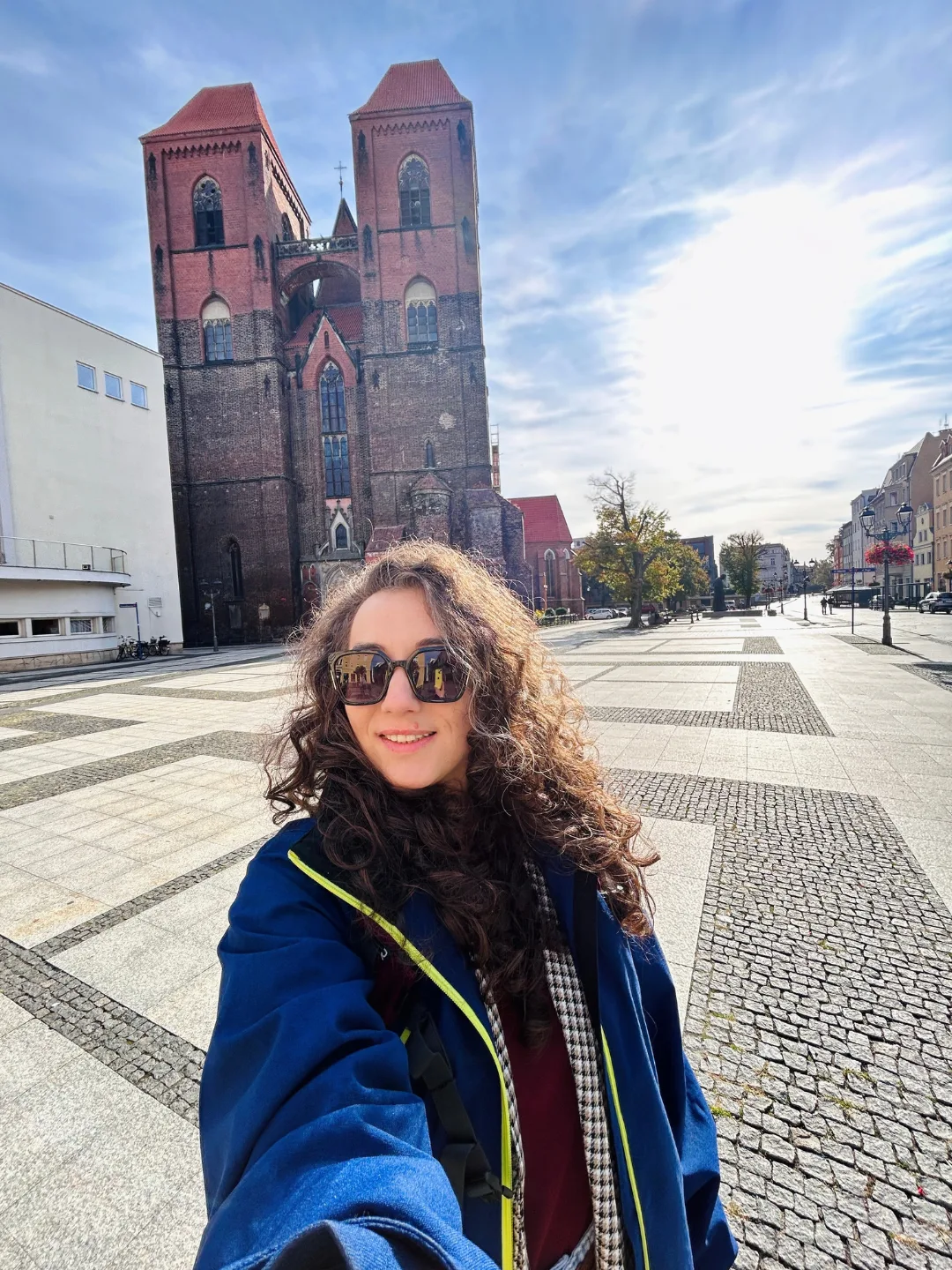
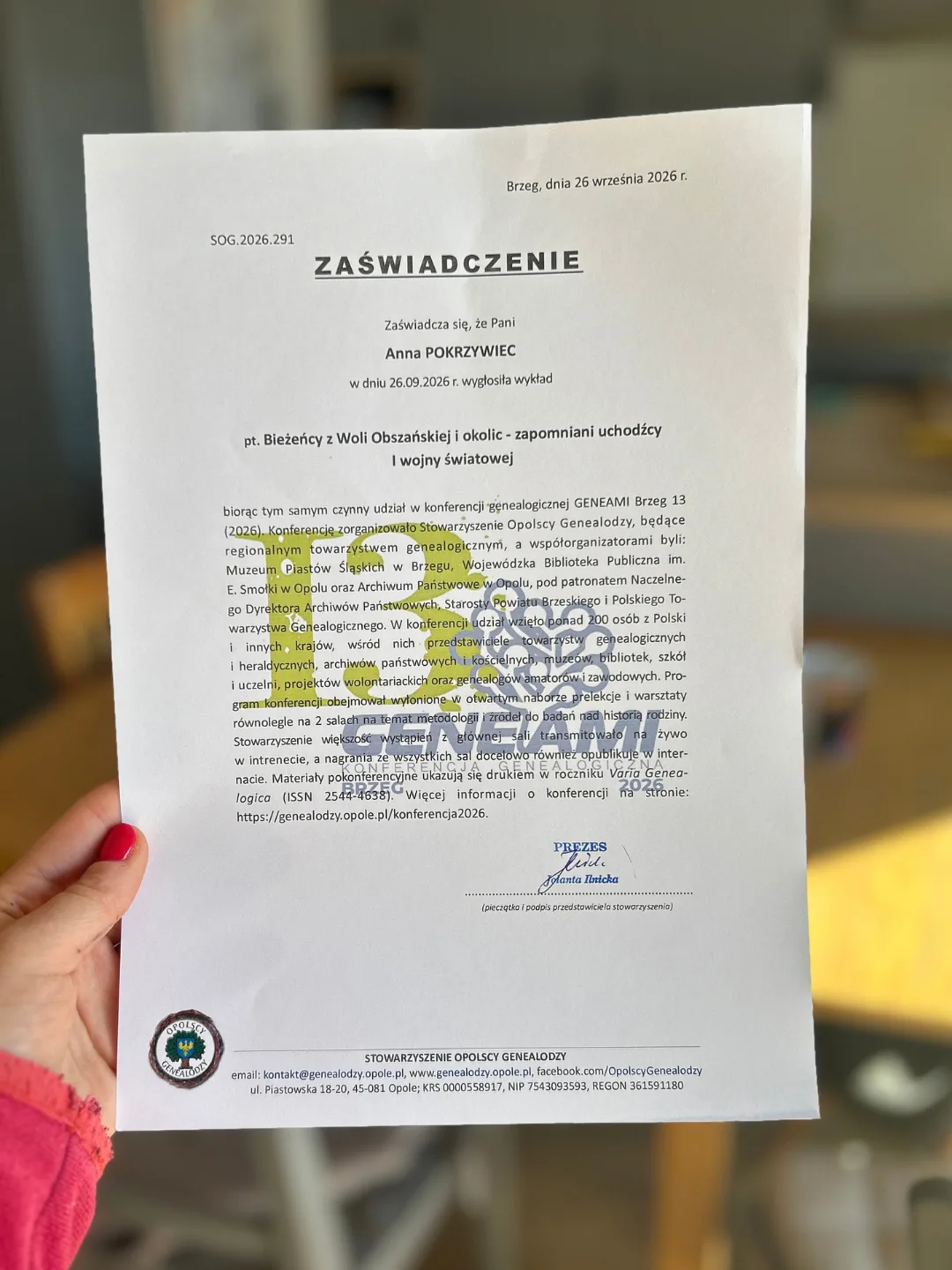
A few memories from GENEAMI in Brzeg: